
Brakes are one of the most critical safety systems in your vehicle, yet many drivers only think about them when problems arise. A sudden noise, vibration, or warning light can leave you wondering how serious the issue is and how much it will cost to fix. Brake repair prices vary widely based on parts, labor, and driving conditions. Knowing what affects these costs can help you plan ahead, avoid overpaying, and keep your vehicle safe. This guide explains brake repair costs in clear terms so you can make confident, informed decisions.
What Goes Into Brake Repair Costs
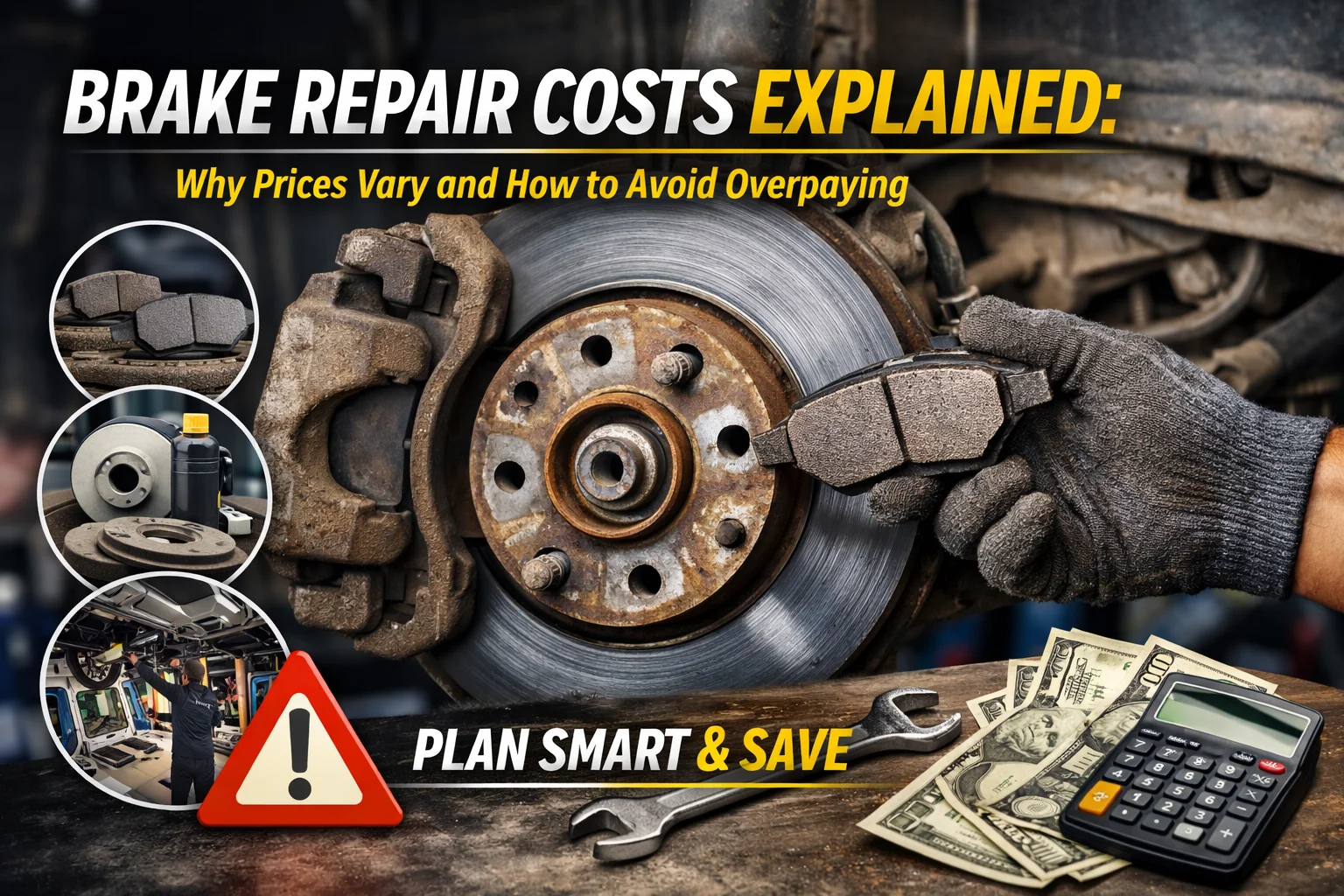
Brake repair costs are influenced by several components, not just worn brake pads. Each part of the braking system plays a role in how much you may need to spend.
Brake systems are designed to handle extreme pressure and heat. Over time, normal wear and tear causes components to degrade. Driving habits, vehicle type, and road conditions also affect how quickly brakes wear out. Understanding the breakdown of costs helps drivers recognize fair pricing.
Key Brake Components That Affect Cost
- Brake pads, which wear down the fastest and require frequent replacement
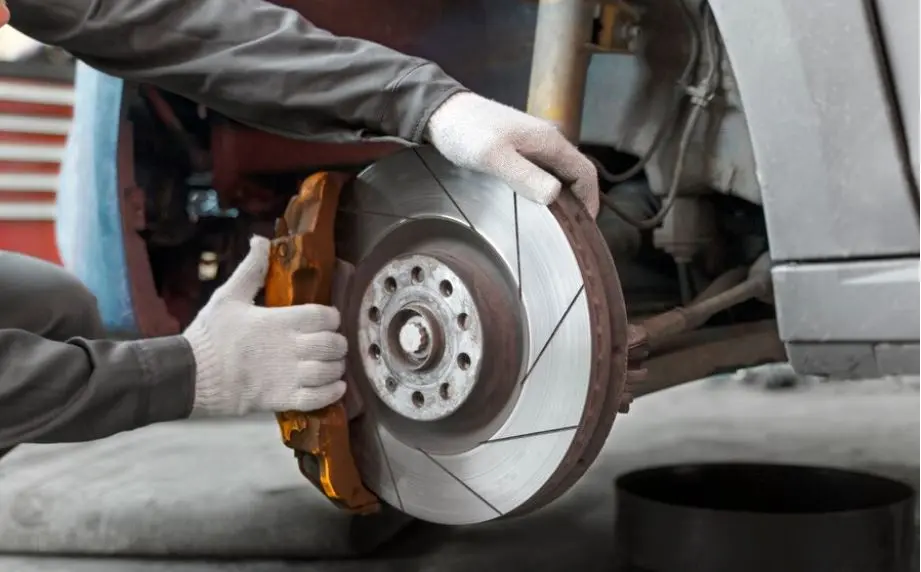
- Brake rotors, which may need resurfacing or replacement depending on damage
- Brake calipers, lines, and fluid, which add to labor and material costs
Labor and Service Factors
- Labor time varies by vehicle make and model
- Advanced braking systems may require specialized tools
- Diagnostic checks add value but increase service time
Vehicle and Driving Conditions
- Heavier vehicles require stronger brake components
- City driving causes more frequent braking and faster wear
- Heat and dust exposure accelerate brake degradation
Brake repairs are not one size fits all. Knowing what components are involved helps drivers understand pricing differences and avoid unnecessary repairs.
Average Brake Repair Prices Explained
Many drivers hesitate to schedule brake repairs because they fear unpredictable costs. While prices vary, understanding general ranges makes planning easier.
Basic brake pad replacement is usually the most affordable service. Costs rise when rotors, calipers, or brake fluid require attention. Vehicles with performance braking systems often cost more to service due to specialized parts.
Typical Brake Service Price Ranges
- Brake pad replacement is usually the lowest cost repair
- Rotor resurfacing or replacement increases total expense
- Full brake system repairs cost more but restore complete safety
Why Prices Differ Between Vehicles
- Luxury and performance vehicles use premium components
- Some cars require removing additional parts to access brakes
- Electronic brake systems require extra calibration
Preventive Maintenance Savings
- Early pad replacement prevents rotor damage
- Regular inspections reduce emergency repair costs
- Timely servicing extends the life of brake components
Brake repairs may seem expensive at first, but delaying them often leads to higher costs and increased safety risks over time.
Warning Signs That Can Increase Repair Costs
Ignoring early brake warning signs is one of the fastest ways to increase repair expenses. Small issues often turn into major repairs when left unchecked.
Brake systems usually provide clear signals before serious failure occurs. Squealing noises, vibrations, or longer stopping distances are not just annoyances. They indicate wear that needs attention.
Common Brake Warning Signs
- Squeaking or grinding noises during braking
- Vibrations felt through the steering wheel
- Brake pedal feeling soft or unresponsive
How Delays Raise Costs
- Worn pads damage rotors if not replaced
- Leaking brake fluid affects stopping power
- Heat buildup causes component warping
Smart Response Tips
- Schedule inspections at the first sign of noise
- Avoid driving aggressively when issues appear
- Combine brake checks with routine vehicle servicing
Addressing brake problems early helps control repair costs and ensures your vehicle remains safe in all driving conditions.
How Driving Habits Impact Brake Expenses
Your driving style has a direct impact on how often you need brake repairs and how much they cost over time.
Frequent hard braking causes faster wear on pads and rotors. Stop and go traffic, especially in urban areas, places constant strain on braking systems. Even environmental factors like heat and dust can increase wear.
Driving Behaviors That Increase Costs
- Sudden braking at high speeds
- Riding the brakes downhill
- Carrying heavy loads regularly
Habits That Reduce Brake Wear
- Maintaining safe following distances
- Using engine braking when appropriate
- Anticipating traffic flow to reduce sudden stops
Maintenance That Supports Brake Health
- Regular fluid checks to prevent contamination
- Tire maintenance to support balanced braking
- Coordinating brake inspections with services like oil changes
Smart driving habits reduce stress on your braking system and help keep repair costs predictable and manageable.
Related Systems That Affect Brake Performance
Brake performance does not exist in isolation. Several vehicle systems influence how effectively brakes function and how long components last.
Poor suspension alignment, worn tires, or cooling system issues can all impact braking efficiency. When related systems are neglected, brakes must work harder, leading to faster wear and higher repair costs.
Systems That Support Brake Efficiency
- Tires that maintain proper road contact
- Suspension components that stabilize braking force
- Cooling systems that manage heat buildup
Environmental and Climate Effects
- High temperatures increase brake fluid degradation
- Dust and debris accelerate pad wear
- Moisture exposure affects braking responsiveness
Coordinated Maintenance Benefits
- Balanced systems reduce uneven brake stress
- Regular inspections identify hidden issues early
- Preventive care lowers overall repair expenses
A well maintained vehicle allows brakes to perform efficiently, reducing wear and keeping repair costs under control over the long term.
Choosing the Right Brake Repair Service
Selecting the right service provider plays a major role in controlling brake repair costs and ensuring long term safety.
Quality brake service goes beyond replacing parts. Accurate diagnostics, skilled technicians, and transparent pricing all matter. A reliable service focuses on long term performance, not quick fixes.
What to Look for in Brake Services
- Clear explanations of required repairs
- Quality parts suited to your vehicle
- Skilled technicians with brake system experience
Questions Worth Asking
- What components need replacement and why
- Are parts covered by warranty
- How long will the repair take
Smart Cost Control Tips
- Avoid unnecessary upselling
- Address minor issues before they escalate
- Combine brake service with related maintenance checks
Choosing the right brake repair service helps protect your investment and ensures your vehicle remains safe, reliable, and cost efficient.
Brake Safety Is an Investment, Not an Expense
Brake repairs may seem costly, but they protect lives, vehicles, and long term finances. Understanding what affects brake repair costs allows you to make informed decisions and avoid unexpected expenses. Addressing issues early and choosing experienced professionals keeps repairs manageable and performance reliable.
Need expert brake service you can trust? Book an inspection today and keep your vehicle safe, responsive, and road ready.
FAQs
How often should brakes be inspected?
Brake inspections are recommended every 10,000 to 15,000 kilometers. Early checks help prevent costly damage.
Are expensive brake pads always better?
Not always. The right brake pads depend on your vehicle type and driving habits.
Can worn brakes affect fuel efficiency?
Yes, dragging brakes increase resistance and force the engine to work harder.
Is it safe to drive with squeaky brakes?
Squeaking often signals early wear. Ignoring it can lead to more serious damage.
Do all brake repairs require rotor replacement?
No. Rotors may only need resurfacing if damage is minimal.