
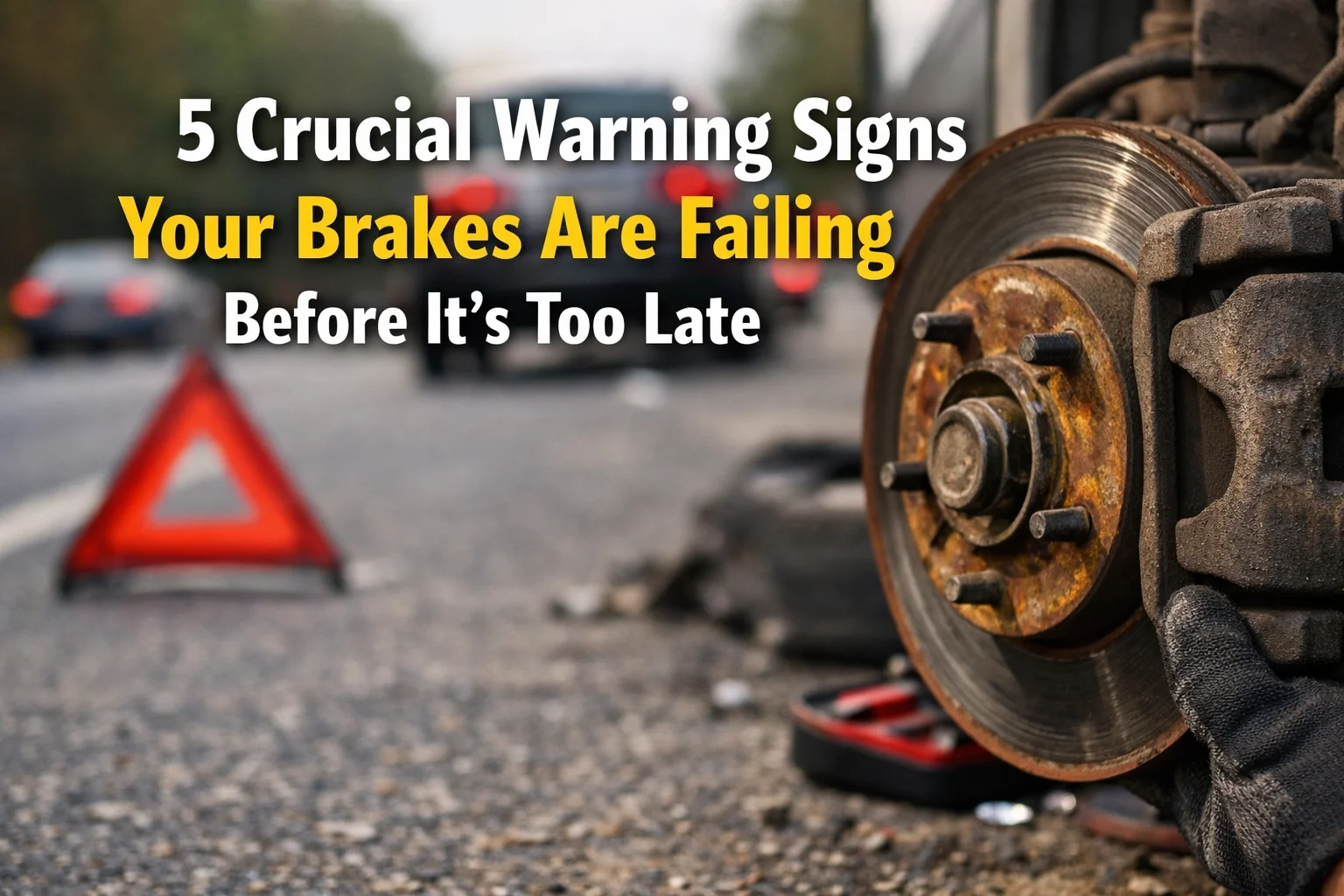
Brakes are more than just metal and pads. They are your vehicle’s first line of defense. Many drivers underestimate their importance until a problem becomes serious. Squeaks, vibrations, or unusual behavior while stopping often signal underlying issues that need immediate attention. In this guide, we will explore the five warning signs your brakes may need repair, how to respond, and steps to maintain optimal braking performance for safe and confident driving.
Squeaking or Grinding Noises
Unusual sounds when braking often indicate worn brake pads or problems with rotors. These noises are not just annoying. They signal that your braking system may be compromised and should be inspected promptly. Catching the problem early helps prevent further damage to other components.
Common Causes of Brake Noise
- Worn brake pads: Thin pads can cause metal-to-metal contact, producing a grinding sound
- Rotor damage: Uneven or warped rotors create vibrations and squeaks during braking
- Debris between components: Dirt or small objects trapped can trigger continuous squealing and reduce stopping efficiency
Potential Risks
- Reduced braking efficiency can increase stopping distance
- Excessive wear may damage other components such as rotors and calipers
- Ignoring noises could lead to brake failure in emergencies, putting your safety at risk
Preventive Measures
- Inspect brake pads regularly for thickness and wear
- Keep rotors clean and free from corrosion
- Address noises promptly with professional service for long-term reliability
Early attention to brake sounds helps maintain safety and can prevent expensive repairs. QuickAutoPro provides precise inspections to ensure your braking system is quiet, smooth, and reliable at all times.
Vibrations While Braking
Feeling vibrations or pulsations in the brake pedal often points to issues with rotors or brake hardware. These subtle signs can indicate a serious safety concern if not addressed quickly. Ignoring them can also accelerate wear on suspension and steering components.
Why Vibrations Occur
- Warped rotors: Uneven surfaces create pulsations in the brake pedal
- Loose or worn components: Calipers or suspension issues may transmit vibrations through the steering
- Brake pad deposits: Material buildup on rotors can cause uneven braking and shaking
Signs to Watch For
- Steering wheel shakes when braking
- Pulsating brake pedal under normal pressure
- Vehicle pulling slightly to one side while stopping, affecting control
Safety Impact
- Vibrations reduce control during emergency stops
- Can accelerate wear on suspension or steering components
- May mask other hidden problems in braking or drivetrain, increasing repair costs
Maintenance Tips
- Schedule regular rotor and pad inspections
- Combine brake maintenance with suspension checks to ensure full stability
- Use professional services to remove deposits and resurface rotors
Vibrations while braking can sometimes be linked to worn suspension components, making it important to inspect both brakes and suspension for complete safety.
Brake Warning Lights
The brake system warning light on your dashboard is an early indicator of issues requiring immediate attention. Ignoring this signal could compromise your safety and result in more costly repairs if left unattended.
Common Causes of Brake Lights
- Low brake fluid: Reduces hydraulic pressure, affecting stopping power and performance
- Worn pads or sensors: Trigger sensors that illuminate warning lights on the dashboard
- ABS or electronic system faults: Malfunctions in braking electronics may light up the dashboard unexpectedly
Immediate Actions
- Check brake fluid levels promptly to ensure proper pressure
- Inspect pads and sensors for wear or damage
- Consult a professional if warning persists or issues continue
Why You Should Not Ignore It
- Brake lights indicate critical system malfunctions
- Could lead to sudden failure during driving or emergencies
- Early intervention prevents further component damage and higher repair costs
Proactive Steps
- Regularly monitor brake fluid levels and top up as needed
- Perform routine inspections of braking components to catch wear early
- Address dashboard warnings immediately for safety and reliability
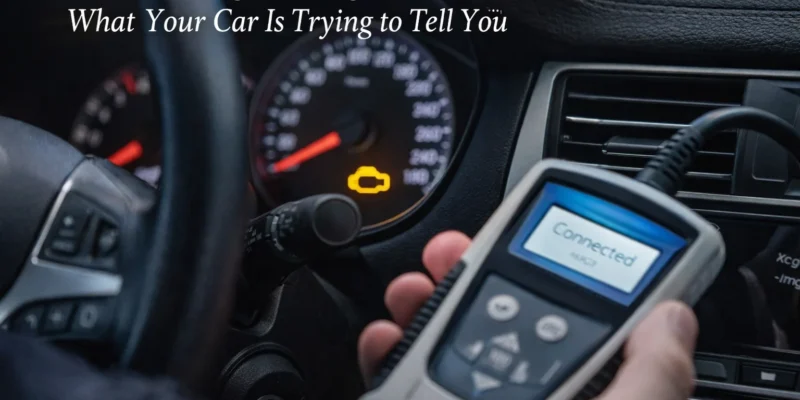
Sometimes, a brake warning light can appear alongside other dashboard alerts, like the check engine light, signaling the need for immediate inspection.
Reduced Braking Performance
If your brakes feel less responsive or stopping distances increase, it is a serious warning sign. Reduced performance compromises safety and requires immediate attention to prevent accidents and protect other components.
Causes of Reduced Braking
- Worn pads or shoes: Decrease the friction needed for reliable stopping
- Air in brake lines: Reduces hydraulic pressure and pedal response
- Fluid leaks: Compromise braking efficiency and reliability on every drive
Indicators to Monitor
- Longer stopping distances than normal
- Soft or spongy brake pedal feel under pressure
- Car drifts when braking under standard driving conditions
Preventive Maintenance
- Flush and replace brake fluid periodically to maintain hydraulic integrity
- Inspect pads and discs regularly for wear and replace as needed
- Repair leaks immediately to maintain consistent braking performance
Benefits of Timely Repairs
- Restores stopping power for safe driving
- Prevents damage to rotors, calipers, and other components
- Saves money by avoiding larger brake system failures in the long run
Addressing reduced braking performance promptly can also help you avoid larger repair costs, which can vary depending on the pads, rotors, and labor involved.
Pulling to One Side
When braking, if your car pulls to one side, it signals uneven brake pressure or component wear. This issue can be dangerous, especially during emergency stops or sudden maneuvers. Addressing it quickly restores stability and safety.
Common Reasons for Pulling
- Stuck caliper: Uneven pad engagement creates directional pull while braking
- Brake fluid issues: Blockages or uneven distribution can cause imbalance
- Uneven tire wear: Reduces traction and affects braking stability
Signs to Watch For
- Vehicle drifts left or right during normal braking
- Steering corrections are needed to maintain a straight path
- Uneven pedal resistance is felt under pressure
How to Address the Problem
- Inspect calipers, pads, and discs for proper operation
- Check brake fluid distribution and line integrity for balance
- Combine brake maintenance with tire inspections to ensure even traction
Safety Impact
- Pulling reduces steering control and increases accident risk
- Can accelerate tire and suspension wear
- Timely repair restores balanced braking and driver confidence
Pulling during braking can also be influenced by uneven tire wear, so checking tire condition alongside your brakes ensures balanced performance.
Unusual Brake Pedal Feel
A brake pedal that feels soft, spongy, or too firm is a warning sign of underlying issues. Pedal response is a critical safety cue that should never be ignored, as it directly affects stopping efficiency.
Common Causes
- Air in brake lines: Causes sponginess and delayed response during braking
- Hydraulic fluid leaks: Reduce braking pressure and compromise stopping power
- Worn or glazed pads: Affect pedal firmness and consistency under pressure
Indicators to Monitor
- Pedal travels too far before brakes engage
- Brake response is inconsistent under normal pressure
- Vehicle takes longer to stop even with firm braking
Maintenance and Safety Tips
- Bleed brakes to remove trapped air in the system
- Inspect fluid levels and refill as needed for consistent pressure
- Replace worn pads promptly to restore reliable pedal feel
Long-Term Benefits
- Improved braking performance and overall vehicle safety
- Reduced wear on other braking components
- Peace of mind on every drive with responsive and dependable braking
QuickAutoPro provides professional inspection and maintenance to ensure your brake pedal feels firm, responsive, and safe under all driving conditions.
Stop Ignoring Brake Signs: Take Action Now
Recognizing brake warning signs early can prevent accidents, save money, and extend vehicle life. Do not wait for symptoms to worsen. Schedule a brake inspection today to ensure your vehicle remains safe and reliable.
Ready for a safer ride? Contact QuickAutoPro to inspect and maintain your brakes for peak performance.
FAQs
How do I know when my brakes need repair?
Squeaks, vibrations, dashboard warnings, or pulling are early signs. Inspecting pads and rotors regularly can prevent serious issues.
Can worn brakes damage other parts?
Yes, worn pads can harm rotors, calipers, and suspension components. Early maintenance prevents costly repairs.
Is brake fluid important for performance?
Absolutely, low or old fluid reduces hydraulic pressure, affecting stopping power and safety.
How often should brake inspections be done?
Every 10,000 to 15,000 km or when unusual brake behavior occurs. Regular checks maintain safety and performance
Can brake issues affect tire wear?
Yes, uneven braking pressure can cause uneven tire wear. Regular maintenance keeps tires and brakes balanced.