
That glowing check engine light often appears at the worst possible moment. Many drivers ignore it and hope the issue will disappear. While sometimes harmless, it can also warn of serious engine or emissions problems. Understanding what the light means helps you decide whether it is safe to continue driving or if immediate attention is required. This article breaks down the risks, common causes, and smart actions every driver should take when the check engine light turns on.
What the Check Engine Light Really Means
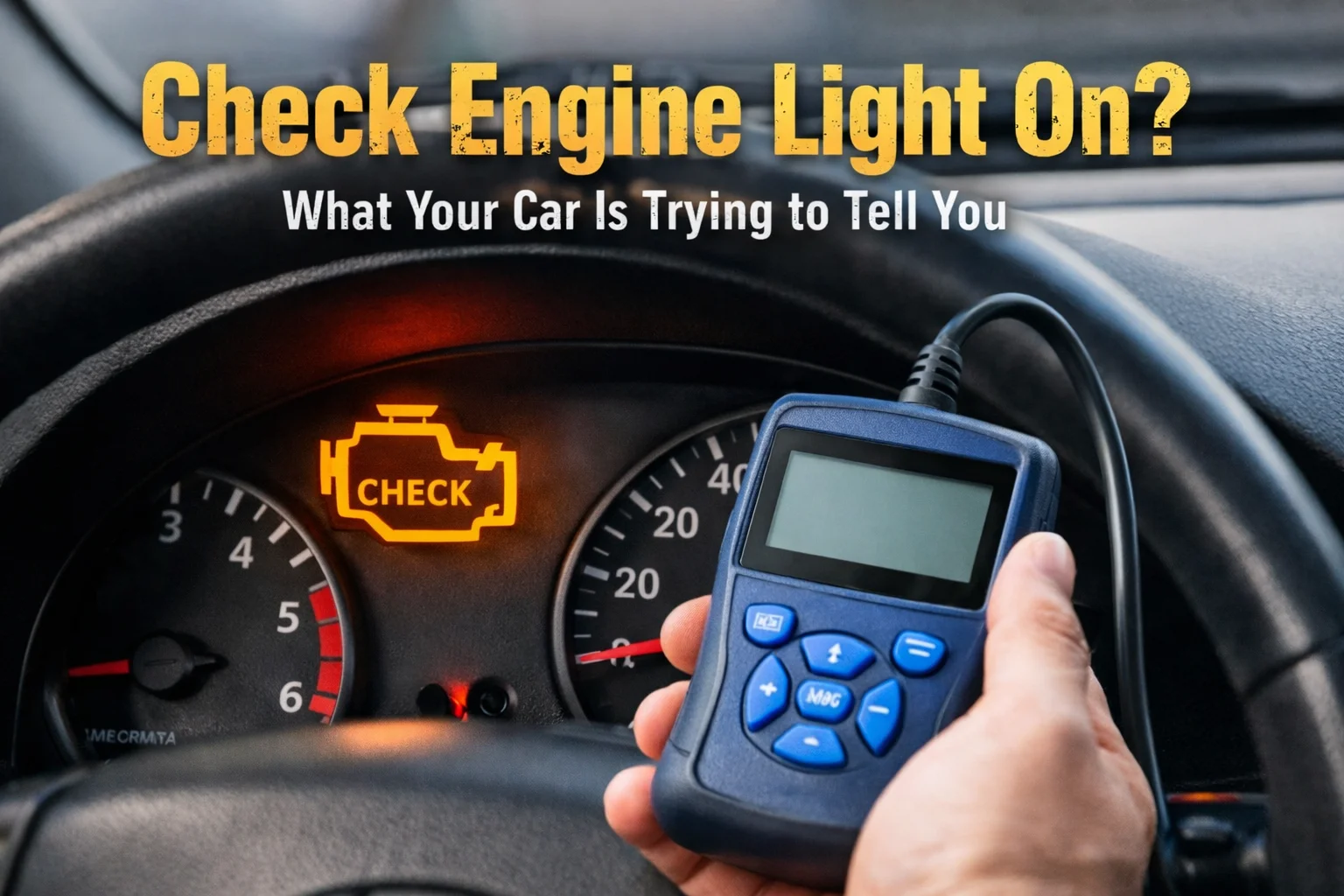
The check engine light is your vehicle’s way of communicating a detected issue within the engine or emissions system. It does not always mean immediate danger, but it should never be ignored.
Why the Light Turns On
The onboard diagnostic system monitors sensors and components constantly. When something operates outside normal limits, the warning appears.
Common Triggers You Should Know
- Loose or damaged fuel cap affecting emissions
- Faulty oxygen sensors reducing efficiency
- Engine misfires that can damage components
The light may appear steady or flashing. A steady light often indicates a non urgent issue, while a flashing light suggests immediate risk. Ignoring early warnings can lead to higher repair costs and engine damage over time. Understanding this signal early allows drivers to make informed decisions before problems escalate.
Is It Safe to Keep Driving?
Whether it is safe to keep driving with the check engine light on depends on the seriousness of the issue and how your vehicle feels on the road. In some cases, short and careful driving may be possible. In others, stopping immediately is the safest option to prevent costly damage.
When Driving May Be Acceptable
If your car runs smoothly with no warning sounds, power loss, or unusual behavior, limited driving may be safe for a short period.
Signs You Should Stop Immediately
- Flashing check engine light
- Rough idling or noticeable engine shaking
- Strong fuel, smoke, or burning smells
Driving during severe symptoms can damage the catalytic converter and internal engine parts. Problems like misfires or fuel issues worsen quickly. Even mild symptoms should be checked promptly if the warning light remains on.
How Seasonal Conditions Affect Warning Lights
Seasonal changes can directly impact how your vehicle’s systems perform, often triggering warning lights unexpectedly. Weather shifts place extra stress on sensors, batteries, and tires, especially during temperature extremes. Understanding these effects helps drivers prepare and avoid sudden dashboard alerts.
Cold Weather and Engine Sensors
Low temperatures reduce battery efficiency and affect sensor accuracy. During cold starts, engines require more power, and weakened batteries may struggle to support electrical systems properly.
Seasonal Maintenance Matters
- Weak batteries place added strain on engine electronics
- Cold air alters fuel mixture readings and combustion balance
- Reduced tire performance increases engine load and resistance
Seasonal factors also influence tire behavior, making regular inspections essential. Adjustments like timely tire swaps help maintain efficiency, reduce mechanical stress, and lower the risk of unexpected warning lights throughout the year.
Fuel Efficiency and Emissions Risks
Driving with the check engine light on can silently affect both fuel efficiency and emissions, even when your car feels normal. Many engine warnings are linked to sensors that control fuel delivery and exhaust systems. When these sensors fail or send incorrect data, the engine burns fuel inefficiently and produces higher emissions.
How Efficiency Is Reduced
Faulty sensors disrupt the air and fuel mixture, leading to incomplete combustion and unnecessary fuel consumption during everyday driving.
Long Term Impact on Your Vehicle
- Increased fuel costs that add up over time
- Higher emissions that may cause inspection failures
- Accelerated wear on engine and exhaust components
Problems left unresolved often worsen gradually. Addressing the check engine light early helps restore efficiency, reduce emissions, and protect long term engine health.
Diagnosing the Problem Early Saves Money
Catching engine issues early can make a major difference in repair costs and vehicle reliability. When the check engine light first appears, it is often signaling a small problem that can be fixed quickly. Delaying diagnosis allows that issue to grow into a serious mechanical failure that affects multiple components.
Why Diagnostic Scans Matter
Modern vehicles store error codes that identify the exact system or sensor causing the warning light. These codes help technicians pinpoint problems without guesswork.
Benefits of Professional Diagnostics
- Accurate identification of faulty components
- Faster repairs with fewer repeat visits
- Prevention of secondary engine damage
Understanding the real cause of the check engine light allows technicians to fix the root problem. Timely diagnostics reduce downtime and keep repair costs manageable by avoiding major part replacements.
Smart Steps to Take When the Light Comes On
Knowing how to respond when the check engine light appears can protect your vehicle and help avoid costly repairs. The first step is to stay calm and pay close attention to how your car is behaving. Notice any changes in performance, sounds, or dashboard warnings.
Immediate Actions You Should Take
If the car feels normal, continue driving cautiously and avoid hard acceleration or high speeds. If the light flashes or performance drops, stop driving as soon as it is safe to do so.
Best Practices for Drivers
- Check the fuel cap and tighten it securely
- Monitor for unusual noises, vibrations, or reduced power
- Schedule a diagnostic inspection as soon as possible
Ignoring the warning light for too long can allow hidden problems to worsen. Quick action helps maintain safety, reliability, and long term vehicle value.
Final Thoughts Before You Ignore That Light
The check engine light is not just a suggestion. It is an early warning system designed to protect your vehicle. While some causes are minor, others demand immediate attention. Paying attention early saves money, prevents breakdowns, and keeps your car running efficiently.
Need expert diagnostics and fast solutions? Book a professional inspection with QuickAutoPro and drive with confidence again.
FAQs
Can I drive long distances with the check engine light on?
Short trips may be possible if the car feels normal, but long distances can worsen hidden issues and significantly increase the risk of costly engine damage.
What does a flashing check engine light mean?
A flashing check engine light indicates a serious engine problem, often a misfire, and driving further can cause severe damage and should stop immediately.
Will ignoring the light increase repair costs?
Ignoring the check engine light allows small issues to escalate, often leading to major engine damage and much higher repair costs over time.
Can weather cause the check engine light to turn on?
Cold weather can affect batteries, sensors, and fuel systems, sometimes triggering the check engine light temporarily until conditions stabilize or components are checked.
Does the check engine light affect fuel consumption?
Yes, engine or sensor issues can disrupt fuel efficiency, causing higher fuel consumption and reduced overall vehicle performance during normal driving.