

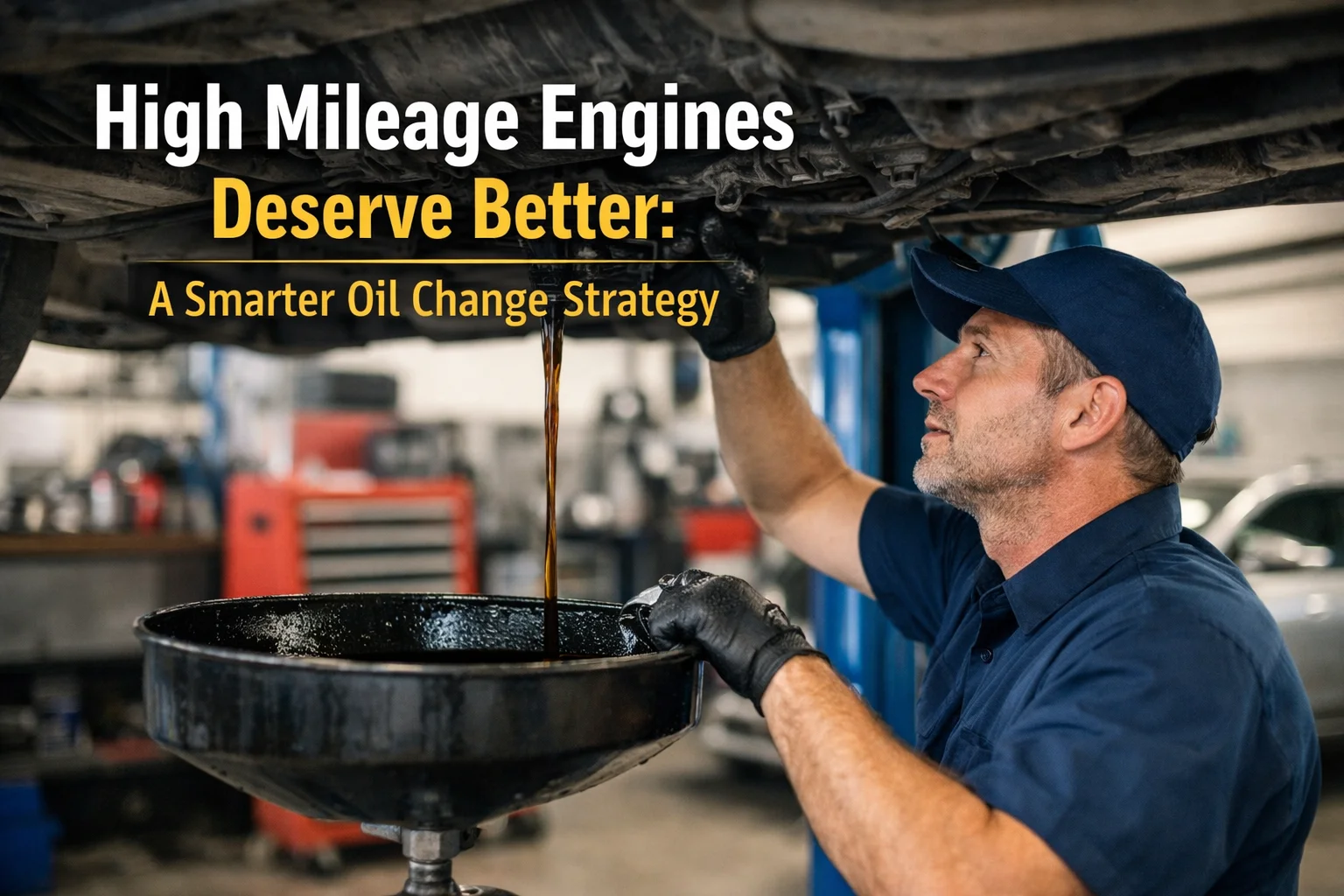
Once a car crosses the high mileage mark, engine care becomes critical. Oil changes are no longer just routine maintenance. They play a key role in preventing wear, leaks, and costly repairs. Many drivers continue using the same oil habits without realizing their engine needs extra protection. This guide breaks down everything you need to know about oil changes for high mileage engines, from choosing the right oil to spotting warning signs early. With the right approach, you can extend engine life, improve performance, and drive with confidence for years to come.
What High Mileage Really Means for Your Engine
High mileage engines face different challenges compared to newer vehicles. Internal parts experience wear, seals lose flexibility, and oil circulation becomes less efficient. These changes increase the risk of friction, sludge buildup, and reduced engine performance over time.
Why Mileage Changes Engine Behavior
As engines age, tolerances between parts widen. Oil must work harder to maintain proper lubrication and temperature control.
Common Issues in High Mileage Engines
- Increased oil consumption due to worn seals
- Sludge formation from old deposits
- Reduced compression and efficiency
The Role of Oil in Engine Protection
Oil becomes the primary defense against wear once components age. It cushions metal parts, removes contaminants, and prevents overheating.
Key Takeaways for Drivers
- High mileage engines need tailored oil care
- Delayed oil changes increase internal damage
- Early maintenance reduces long-term repair costs
Understanding these changes helps drivers make better oil decisions that keep engines running smoothly instead of stressing aging components.
Choosing the Right Oil for High Mileage Engines
Not all engine oils offer the same level of protection. High mileage engines benefit from oils designed to address age-related wear and leaks. Using the wrong oil can accelerate deterioration instead of preventing it.
What Makes High Mileage Oil Different
High mileage oils contain additives that condition seals, reduce leaks, and clean internal deposits gently.
Oil Viscosity and Engine Health
Thicker oils can help reduce oil burn-off, while still maintaining proper flow for lubrication.
Signs Your Engine Needs Specialized Oil
- Frequent oil top-ups
- Minor oil leaks under the vehicle
- Rough engine performance during cold starts
Smart Oil Selection Tips
- Choose oil labeled for high mileage engines
- Follow manufacturer viscosity recommendations
- Avoid switching oil types too frequently
Professional oil change services ensure the correct oil choice and proper replacement, which is essential when engines begin to age and demand precise care.
Oil Change Intervals That Actually Make Sense
Many drivers follow standard oil change intervals that no longer suit high mileage engines. Aging engines often require more frequent oil replacements. Fresh oil reduces friction, removes contaminants, and prevents heat buildup.
Why Longer Intervals Can Be Risky
Old oil loses its ability to lubricate effectively. This increases metal contact and accelerates wear.
Factors That Affect Oil Change Frequency
- Driving conditions and climate
- Engine condition and oil consumption
- Type of oil used
Warning Signs You Should Not Ignore
- Dark, thick oil on the dipstick
- Engine noise or rough idling
- Decreased fuel efficiency
Practical Maintenance Habits
- Check oil levels every two weeks
- Follow shorter oil change intervals
- Keep service records for consistency
Ignoring oil condition often triggers dashboard warnings, including engine alerts that indicate deeper issues needing immediate attention.
How Oil Quality Impacts Engine Longevity
Oil quality directly influences how long a high mileage engine lasts. Low-quality oil breaks down faster and leaves harmful deposits. High-quality oil protects components even under stress.
What Happens Inside the Engine
Oil circulates through pistons, bearings, and valves. Poor oil creates friction that leads to overheating and wear.
Benefits of Premium Engine Oil
- Better heat resistance
- Improved sludge control
- Enhanced lubrication under pressure
Common Mistakes to Avoid
- Mixing different oil brands
- Ignoring oil filter replacement
- Delaying oil changes beyond limits
Simple Longevity Tips
- Replace oil filters with every oil change
- Stick to one high-quality oil type
- Address leaks immediately
Consistent oil quality preserves engine components, supports smoother operation, and prevents sudden breakdowns in older vehicles.
Driving Habits That Support Oil Performance
Oil care is not limited to service intervals. Driving habits significantly affect oil condition and engine health. Gentle driving allows oil to protect components more effectively.
How Driving Style Affects Oil
Frequent short trips prevent oil from reaching optimal temperature, causing moisture buildup.
Habits That Help Your Engine
- Allow engine warm-up before heavy driving
- Avoid aggressive acceleration
- Reduce excessive idling
Environmental Factors to Consider
- Extreme heat accelerates oil breakdown
- Dusty conditions contaminate oil faster
- Traffic congestion increases engine strain
Smart Driver Practices
- Schedule oil changes before long trips
- Monitor engine performance regularly
- Adjust maintenance based on usage
Driving with care supports oil efficiency and reduces unnecessary stress on aging engines.
When Professional Oil Care Makes the Difference
High mileage engines benefit greatly from expert inspection during oil changes. Professionals spot issues before they turn into major repairs.
Expert care goes beyond replacing oil.
What Experts Look For
Technicians check for leaks, abnormal wear, and oil contamination during service.
Advantages of Professional Servicing
- Accurate oil selection
- Proper disposal and replacement
- Early detection of engine problems
Services That Add Value
- Oil filter analysis
- Engine health checks
- Maintenance recommendations
Choosing the Right Service Provider
- Certified technicians with experience
- Transparent service processes
- Consistent maintenance records
Professional oil care ensures your engine receives the right attention at the right time, improving reliability and extending vehicle life.
A Smarter Way to Protect Your Engine
High mileage engines can remain dependable with the right oil care strategy. Choosing the correct oil, adjusting intervals, and adopting better driving habits all work together to protect performance. Do not wait for engine trouble to appear. A proactive oil change approach keeps your vehicle reliable, efficient, and ready for the road ahead.
Book a professional oil change today and give your engine the care it deserves.
FAQs
How often should high mileage engines get an oil change?
Most high mileage engines benefit from oil changes every 5,000 to 7,000 km. Shorter intervals help prevent wear.
Is high mileage oil really necessary?
Yes, it contains additives that protect seals and reduce oil consumption in aging engines.
Can oil type affect engine noise?
Proper oil can reduce friction and help minimize engine knocking or rough sounds.
What happens if oil changes are delayed?
Delayed oil changes cause sludge buildup and accelerate internal engine wear.
Should oil filters always be replaced?
Yes, replacing the filter ensures clean oil circulation and proper engine protection.