
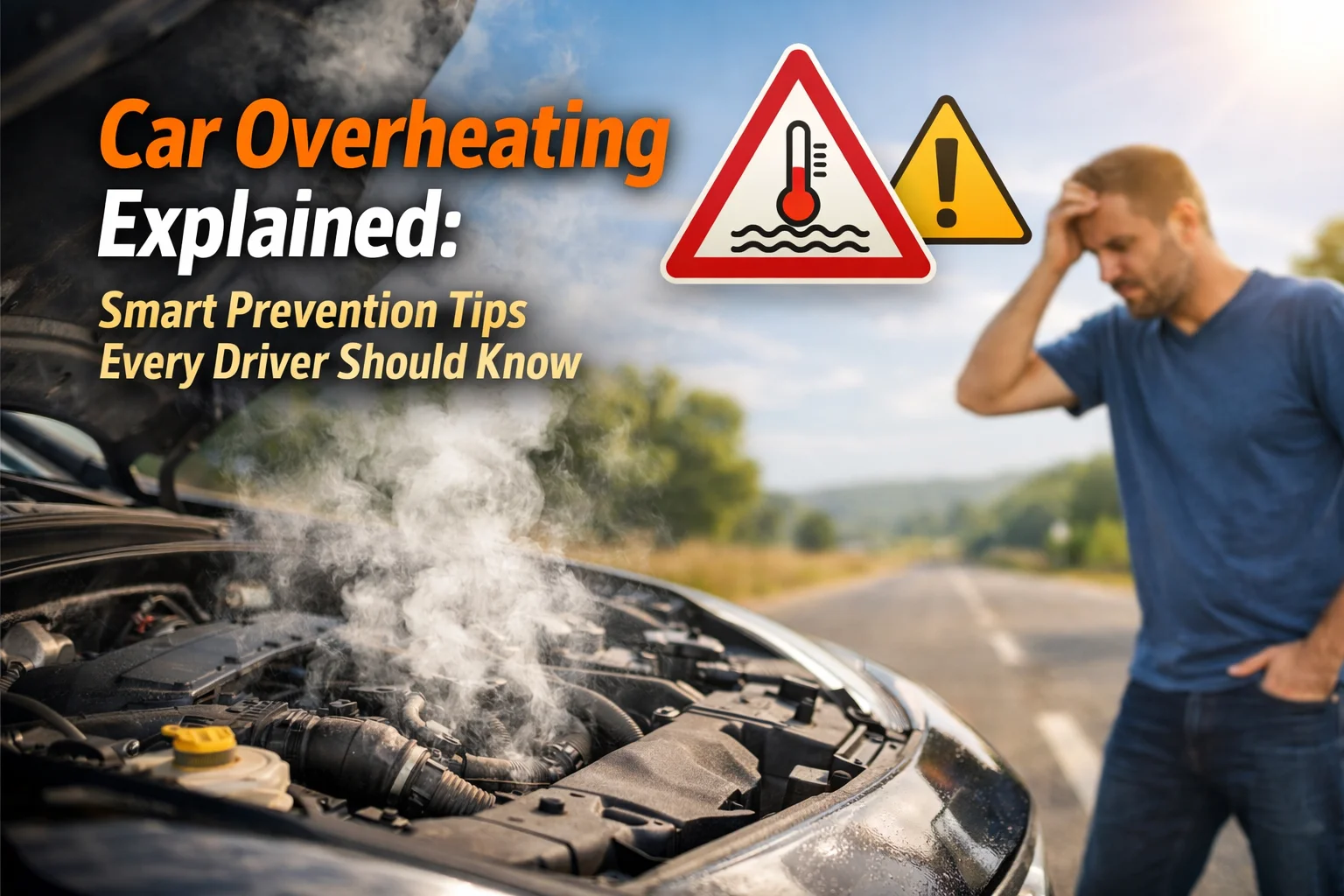
Few car problems feel as stressful as watching your temperature gauge climb while driving. Overheating can happen suddenly and often leads to expensive engine damage if ignored. In hot climates and stop-and-go traffic, the risk becomes even higher. The good news is that most overheating issues are preventable with the right knowledge and maintenance habits. This article explains why engines overheat, the warning signs to watch for, and the practical steps every driver can take to keep their vehicle running cool and reliable.
Why Cars Overheat in the First Place
Car engines generate intense heat during normal operation. The cooling system works constantly to regulate temperature and prevent damage. Heat buildup usually occurs when one or more components fail to do their job properly. Environmental factors like high temperatures and heavy traffic make the situation worse.
Common Mechanical Causes
Cooling System Failures
- Low coolant levels reduce heat absorption
- Radiator blockages restrict airflow
- Faulty water pumps stop coolant circulation
External Factors That Increase Risk
Driving Conditions
- Long idling in traffic slows heat dissipation
- High-speed driving in extreme heat strains the engine
- Carrying heavy loads increases engine stress
Why Small Issues Escalate Quickly
Lack of Early Action
- Minor leaks turn into major coolant loss
- Ignored warning signs lead to engine overheating
- Delayed repairs increase the risk of breakdowns
Understanding these causes helps drivers act early before minor problems turn into serious engine damage.
Early Warning Signs You Should Never Ignore
Overheating rarely happens without warning. Your car often gives clear signs long before the engine reaches dangerous temperatures. Paying attention to these signals allows quick action and prevents long-term damage.
Visual and Dashboard Alerts
Temperature and Indicators
- Temperature gauge rising above normal
- Steam or smoke coming from the hood
- Dashboard warning lights turning on
Performance Changes While Driving
Unusual Vehicle Behavior
- Engine power feels weaker than usual
- Burning smells from the engine bay
- Strange noises during acceleration
Why Warning Lights Matter
Engine System Alerts
- Warning indicators signal internal issues
- Ignoring alerts can worsen engine damage
- Early diagnostics prevent overheating escalation
When a warning light appears, it often points to deeper system problems that affect engine temperature and performance. Addressing these signs early can prevent severe overheating and costly repairs.
The Role of the Cooling System
Your car’s cooling system is the primary defense against overheating. Every component works together to keep engine temperature stable. Even one failing part can disrupt the entire system and cause rapid heat buildup.
Key Cooling Components
Parts That Control Temperature
- Radiator disperses engine heat
- Coolant absorbs and transfers heat
- Thermostat regulates coolant flow
Why Coolant Quality Matters
Proper Fluid Management
- Old coolant loses heat resistance
- Contaminated coolant causes blockages
- Incorrect coolant mixtures reduce efficiency
Importance of Radiator Health
Heat Dissipation Efficiency
- Clean radiators allow smooth airflow
- Leaks reduce cooling capacity
- Timely radiator repairs protect engine components
A well-maintained cooling system protects your engine during extreme conditions and daily driving alike, reducing the risk of sudden overheating.
Smart Driving Habits That Reduce Overheating
How you drive plays a major role in engine temperature. Small adjustments can significantly lower overheating risks. Adopting smart habits helps your car manage heat more efficiently.
Driving Techniques That Help
Everyday Habits
- Avoid aggressive acceleration in hot weather
- Use air conditioning wisely during heavy traffic
- Take breaks during long drives in high heat
Managing Traffic and Idle Time
Heat Control in Congestion
- Turn off the engine during long stops
- Avoid unnecessary idling
- Keep airflow steady when possible
Seasonal Driving Awareness
Adjusting to Weather
- Monitor coolant levels before summer
- Prepare your vehicle for extreme temperatures
- Schedule inspections before long trips
Smart driving habits work hand in hand with proper maintenance to reduce strain on your engine and cooling system.
Maintenance Practices That Prevent Overheating
Routine maintenance is the most effective way to prevent overheating. Small checks can uncover problems before they become serious. Consistent care ensures your engine remains protected year-round.
Regular Inspection Priorities
What to Check Often
- Coolant levels and condition
- Hoses for cracks or leaks
- Radiator cleanliness and airflow
Importance of Engine Diagnostics
Early Problem Detection
- Identifies cooling system inefficiencies
- Prevents sensor-related temperature errors
- Helps avoid unexpected breakdowns
Long-Term Engine Protection
Preventive Maintenance Benefits
- Extends engine lifespan
- Reduces emergency repair costs
- Improves overall vehicle reliability
Addressing cooling system issues early, including radiator health and engine diagnostics, helps prevent overheating while maintaining optimal performance.
What to Do If Your Car Starts Overheating
Knowing how to respond when your car overheats can prevent serious damage. Quick action makes a big difference.
Staying calm and following the right steps protects both you and your engine.
Immediate Actions to Take
Safety First
- Pull over safely and turn off the engine
- Allow the engine to cool completely
- Avoid opening the radiator cap while hot
Temporary Measures That Help
Reducing Heat
- Turn off air conditioning
- Turn on the heater to draw heat away
- Check for visible leaks after cooling
When Professional Help Is Needed
Expert Assessment
- Persistent overheating needs inspection
- Cooling system repairs should not be delayed
- Ignoring symptoms can damage the engine
Quick response combined with professional support ensures overheating does not turn into permanent engine failure.
Keep Your Engine Cool and Drive with Confidence
Preventing car overheating starts with awareness, smart driving habits, and timely maintenance. From spotting early warning signs to caring for your cooling system, every small step helps protect your engine from serious damage. Regular inspections and quick action can save you from costly repairs and unexpected breakdowns.
If your car shows signs of overheating or you want peace of mind before your next drive, book a professional inspection with QuickAutoPro today. Their expert technicians can identify cooling system issues early and keep your vehicle running safely, smoothly, and reliably in all driving conditions.
FAQs
1. What is the most common cause of car overheating?
Low coolant levels and cooling system leaks are the most common causes. Faulty radiators and thermostats also contribute.
2. Can I drive if my car is overheating?
No, driving an overheating car can cause serious engine damage. Always stop safely and allow the engine to cool.
3. How often should coolant be checked?
Coolant should be checked monthly and before long trips. Regular inspections help prevent overheating issues.
4. Does hot weather increase overheating risk?
Yes, high temperatures put extra stress on the cooling system. Proper maintenance becomes even more important in summer.
5. Can warning lights indicate overheating problems?
Yes, engine warning lights often signal cooling or sensor issues. Early diagnosis helps prevent severe overheating.