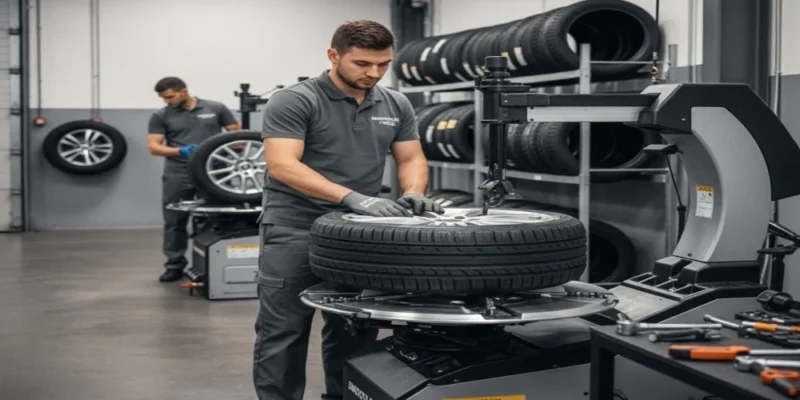

Tires are the only part of your car that touches the road, and their performance changes with the seasons. Seasonal tire swaps are essential for maintaining safety, maximizing efficiency, and preventing unnecessary wear. Understanding when and how to swap tires prepares your vehicle for hot summers, wet rains, and cooler winter conditions. In this guide, we explore why seasonal tire swaps matter and how proper tire management keeps your vehicle running smoothly year-round.
Understanding Seasonal Tire Needs
Every season presents unique challenges for tires. Summer heat, winter cold, and wet conditions require specific tread patterns and rubber compounds for optimal grip. Seasonal swaps help you adapt to these changes and maintain control on the road.
Why Seasonal Tires Matter
- Different temperatures affect tire compound flexibility
- Wet conditions require specialized treads to prevent hydroplaning
- Cold weather hardens standard tires, reducing grip
Choosing the Right Tires
- Summer tires offer better handling in high temperatures
- Winter tires provide improved traction on snow or ice
- All-season tires balance performance for moderate climates
Impact on Safety and Performance
- Correct tires reduce braking distance in extreme conditions
- Improve cornering stability and steering response
- Prevent premature tire wear due to unsuitable tread
Proper seasonal tire selection ensures your car performs safely and efficiently, reducing risks during adverse weather conditions.
Timing Your Tire Swaps
Knowing when to swap tires is critical to maximize safety and performance. Waiting too long or swapping too early can compromise handling and tire longevity.
Signs You Need a Seasonal Swap
- Significant temperature changes between seasons
- Visible tread wear or uneven tire surface
- Reduced grip or increased stopping distances
Planning Your Tire Swap
- Schedule swaps a few weeks before seasonal changes
- Pair swaps with tire inspections to detect issues early
- Maintain a consistent rotation and balancing routine
Avoiding Common Mistakes
- Do not ignore manufacturer recommendations for tire change intervals
- Ensure tires are stored properly if removed for the season
- Inspect rims and valves during swaps to prevent leaks
Proper timing ensures your vehicle maintains traction, stability, and efficiency, complementing routine alignment and tire care practices for optimal performance.
Preparing for the Swap
Before changing tires, a few preparation steps can make the process safer and more effective. Checking your vehicle and current tires ensures a smooth transition between seasons.
Pre-Swap Inspection Checklist
- Examine tire tread depth and wear patterns
- Inspect for cracks, bulges, or embedded debris
- Check air pressure and valve condition
Tools and Equipment Needed
- Jack and wheel stands for safe lifting
- Torque wrench to tighten lug nuts to manufacturer specs
- Tire storage bags for seasonal tires not in use
Professional Services to Consider
- Professional tire installation ensures proper fit and balance
- Wheel alignment checks prevent uneven wear and handling issues
- Seasonal tire services include inspection and rotation for longevity
Preparation guarantees a smoother swap and reduces risks of tire damage, while extending the life of your tires through proper handling and inspection.
Common Tire Issues and How Swaps Help
Tire problems can develop from misalignment, uneven wear, or weather exposure. Seasonal swaps help mitigate these issues and maintain optimal vehicle safety.
Frequent Tire Issues
- Uneven tread wear causing poor handling
- Bald spots that increase risk of hydroplaning
- Hardening or cracking from temperature extremes
Benefits of Seasonal Swaps
- Prevent accelerated wear caused by unsuitable tires
- Maintain consistent grip and braking performance
- Protect suspension and steering components from excess strain
Tips for Long-Term Tire Health
- Regularly inspect tires for damage and wear
- Rotate tires every few thousand kilometers
- Align wheels during seasonal swaps to ensure balance
By addressing common tire problems through swaps, your vehicle remains safer, more comfortable, and cost-effective to operate over time.
Maximizing Vehicle Performance
Swapping tires seasonally is not just about safety; it also enhances performance, fuel efficiency, and overall driving experience.
Performance Advantages
- Improved traction for cornering and braking
- Better acceleration and handling response
- Reduced rolling resistance for smoother rides
Fuel Efficiency Benefits
- Proper tires reduce engine effort and fuel consumption
- Minimized rolling friction improves long-distance driving efficiency
- Seasonal swaps prevent unnecessary strain on tires and suspension
Optimizing Your Driving Experience
- Ensure tires are inflated to recommended levels
- Use the correct tire type for each season
- Schedule regular maintenance checks alongside swaps
Seasonal swaps help your car deliver peak performance, making every drive smoother, safer, and more economical.
Expert Tips for Maintaining Seasonal Tires
Maintaining tires year-round ensures they perform at their best. Proper care before, during, and after swaps extends life and safety.
Simple Maintenance Tips
- Inspect tires monthly for uneven wear or cracks
- Avoid potholes, curbs, and rough terrain when possible
- Rotate and balance tires regularly for even wear
Professional Services to Consider
- Schedule professional tire checks during swaps
- Combine seasonal swaps with wheel alignment inspections
- Use advanced equipment for accurate mounting and balancing
Storage and Handling Guidelines
- Store off-season tires in a cool, dry place away from sunlight
- Keep tires upright or stacked to avoid deformation
- Clean tires and rims before storing to prevent damage
Proper maintenance ensures your tires stay safe, reliable, and ready for any road conditions, keeping your vehicle performing optimally year-round.
Stay Ready for Every Season
Seasonal tire swaps protect your safety, enhance vehicle performance, and extend tire life. By understanding tire needs, timing swaps correctly, and maintaining your tires with professional guidance, you ensure smooth, confident driving no matter the weather.
Prepare your car today. Contact QuickAutoPro for professional seasonal tire services and keep your vehicle ready for every condition.
FAQs
- When should I swap tires for different seasons?
Swap tires a few weeks before the weather changes. Early preparation ensures better safety and performance.
- Can I leave winter tires on during summer?
No, winter tires wear faster in heat and reduce handling efficiency. Swap to the correct seasonal tires for best performance.
- How often should I rotate tires?
Rotate tires every 6,000 to 10,000 kilometers. This helps maintain even tread wear and improves longevity.
- Do seasonal swaps improve fuel efficiency?
Yes, the correct tires reduce rolling resistance. This lowers engine strain and improves fuel consumption.
- Is professional installation necessary for seasonal swaps?
Professional services ensure proper mounting, balance, and alignment. This prevents uneven wear and enhances safety.