


Your car’s wheels do more than move you from point A to B. They are the foundation of safety, performance, and comfort. At QuickAutoPro, we know that even slight misalignment can lead to uneven tire wear, higher fuel costs, and tricky handling that puts you at risk. Regular wheel alignment is not just a maintenance task. It protects your investment, improves driving confidence, and keeps every ride smooth. In this guide, we will show why proper alignment is essential and how QuickAutoPro ensures your vehicle stays perfectly balanced on every journey.
Understanding Wheel Alignment
A properly aligned vehicle ensures all wheels work together, maintaining smooth motion and consistent contact with the road. Misalignment can occur from hitting potholes, curbs, or simply from regular wear over time. Ignoring alignment issues can lead to uneven tire wear, poor handling, and additional strain on your suspension and steering systems.
Signs Your Wheels May Be Misaligned
- Tires wearing unevenly across the edges
- Car pulling to one side while driving
- Steering wheel off-center or vibrations during motion
Benefits of Maintaining Alignment
- Reduces tire wear, extending the life of your tires
- Improves fuel efficiency by minimizing unnecessary rolling resistance
- Enhances driving comfort and overall safety on the road
Key Components in Alignment Checks
- Camber: The vertical tilt of your wheels
- Toe: The angle at which wheels point relative to each other
- Caster: The forward or backward tilt that affects steering stability
Regular wheel alignment protects tires, brakes, and suspension components, ensuring your car operates safely, efficiently, and smoothly.
Tire Health and Performance
Wheel alignment plays a critical role in maintaining tire health and ensuring peak performance. Even minor misalignment can lead to uneven wear patterns, reducing the lifespan of your tires and affecting how your car handles on the road. Over time, misaligned wheels can cause excessive wear on the inner or outer edges of tires, compromise traction, and increase the risk of blowouts, especially during long drives or at higher speeds.
How Misalignment Affects Tires
- Uneven wear can lead to reduced grip, affecting braking and cornering
- Tires may degrade faster, requiring frequent replacements
- Misalignment increases the risk of tire failure under stress
Maintaining Optimal Tire Health
- Rotate tires regularly to promote even wear
- Check and maintain correct tire pressure for proper contact
- Schedule wheel alignment checks every 6 to 12 months or after impacts
Why Professional Tire Services Matter
- Expert inspections detect hidden alignment issues early
- Precision equipment ensures accurate adjustments
- Prevents unnecessary costs from premature tire replacement
Since tires are your vehicle’s only point of contact with the road, keeping them properly aligned ensures safety, consistent traction, and long-term durability.
Fuel Efficiency and Cost Savings
Misaligned wheels do more than affect handling. They quietly increase fuel consumption and add strain to your engine. When your wheels are out of alignment, the tires do not roll efficiently, forcing your car to work harder to maintain speed. Over time, this extra effort translates into higher fuel bills and unnecessary wear on vehicle components.
How Alignment Impacts Fuel Economy
- Misaligned wheels create extra drag, causing your engine to burn more fuel
- Uneven tire wear reduces rolling efficiency and smooth performance
- Additional steering friction adds mechanical load, affecting overall efficiency
Tips to Maximize Fuel Efficiency
- Schedule regular wheel alignment checks to keep tires rolling smoothly
- Maintain correct tire pressure to reduce unnecessary resistance
- Pair alignment with routine maintenance to ensure optimal vehicle performance
Long-Term Cost Benefits
Proper alignment not only improves fuel economy but also extends tire life, reduces suspension wear, and lowers overall maintenance costs. Efficient fuel use and reduced mechanical strain combine to save money while keeping every drive comfortable and smooth.
Driving Comfort and Safety
A misaligned car can feel unstable, pull to one side, or vibrate, making driving stressful and potentially dangerous. Proper wheel alignment ensures that your vehicle handles predictably and provides a smooth, comfortable ride. Even minor misalignment can affect steering, braking, and overall control, reducing confidence on the road.
Signs of Compromised Comfort
- Steering wheel feels heavy or off-center while driving
- Vibrations or shaking at higher speeds
- Uneven handling on curves or turns
Safety Advantages of Proper Alignment
- Improved stability during sudden maneuvers or emergency stops
- More effective braking response under all road conditions
- Reduced risk of tire blowouts, skidding, or loss of control
Proactive Driving Practices
- Inspect alignment after hitting potholes or curbs
- Include alignment checks in annual vehicle service
- Monitor tire wear patterns to catch issues early
Maintaining proper alignment not only improves comfort but also enhances safety, allowing you to drive with confidence while reducing wear on tires and suspension components.
Extending Vehicle Lifespan
Wheel alignment is not just about tires. It plays a critical role in protecting your suspension, steering, and other essential vehicle components, ultimately extending your car’s life. Misaligned wheels place uneven stress on these parts, leading to premature wear and costly repairs if left unchecked. Ensuring proper alignment keeps your vehicle operating efficiently and safely over the long term.
Impact on Vehicle Components
- Uneven stress on shocks and struts can reduce their lifespan
- Premature wear on steering mechanisms can affect handling and safety
- Added strain on bearings and joints increases the risk of component failure
Preventive Measures
- Schedule regular alignment checks every 12,000 kilometers or after impacts
- Combine alignment with periodic suspension inspections to catch issues early
- Maintain tires and brakes in optimal condition to support overall performance
Benefits Beyond Tires
Proper alignment ensures smooth, balanced rides, lowers maintenance costs from component wear, and promotes safer and more reliable vehicle operation. Maintaining alignment protects your investment and keeps every journey comfortable and worry-free.
Expert Tips for Maintaining Alignment
Keeping your wheels properly aligned is easier than many drivers think. Small proactive steps can make a significant difference in vehicle safety, tire longevity, and overall driving comfort. By following simple maintenance routines and relying on professional expertise, you can avoid costly repairs and ensure smooth performance on every drive.
Simple Alignment Maintenance Tips
- Inspect tires monthly for uneven wear or unusual patterns
- Avoid aggressive impacts with potholes or curbs that can knock wheels out of alignment
- Rotate and balance tires regularly to maintain even wear and optimal contact with the road
Professional Services to Consider
- Schedule regular tire inspections and professional alignment checks
- Combine alignment with full vehicle inspections to detect potential issues early
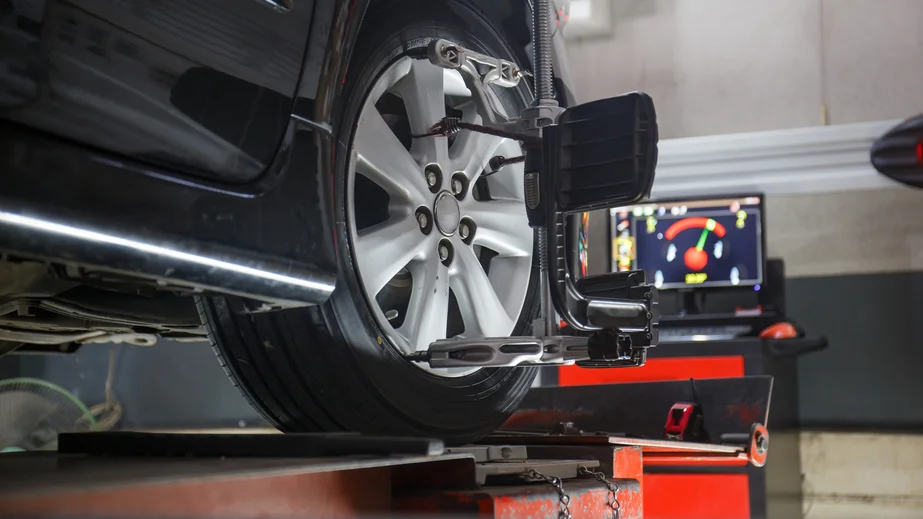
- Use advanced diagnostic equipment for precise adjustments and optimal performance
Choosing the Right Experts
- Seek certified technicians with experience in wheel alignment
- Take advantage of mobile or in-shop services for convenience
- Pair alignment with other preventive tyre services for long-term efficiency
Regular expert alignment ensures your vehicle operates safely, economically, and comfortably while keeping tires and other components in excellent condition.
Drive Smarter: The Final Alignment
Wheel alignment is a small step that leads to safer, smoother, and more cost-effective driving. From tire longevity to fuel savings and overall vehicle health, it touches every aspect of car performance. Do not wait for problems to appear. Schedule an alignment check and keep your car performing at its best.
Ready to experience precise, worry-free driving? Contact QuickAutoPro today to ensure your wheels are perfectly aligned and your rides remain smooth and safe.
FAQs
How often should I get a wheel alignment?
Alignment should be checked every 6 to 12 months. It is also important after hitting potholes or curbs.
Can misalignment damage my car?
Yes, it can lead to uneven tire wear. It also puts extra strain on suspension components.
Does alignment affect fuel efficiency?
Misaligned wheels create extra rolling resistance. This causes your car to consume more fuel.
Can I check alignment myself?
You can spot basic signs like pulling or uneven tire wear. Professional checks are needed for accurate results.
Is alignment necessary for new cars?
Yes, new vehicles still require proper alignment. It ensures optimal performance and tire longevity.